
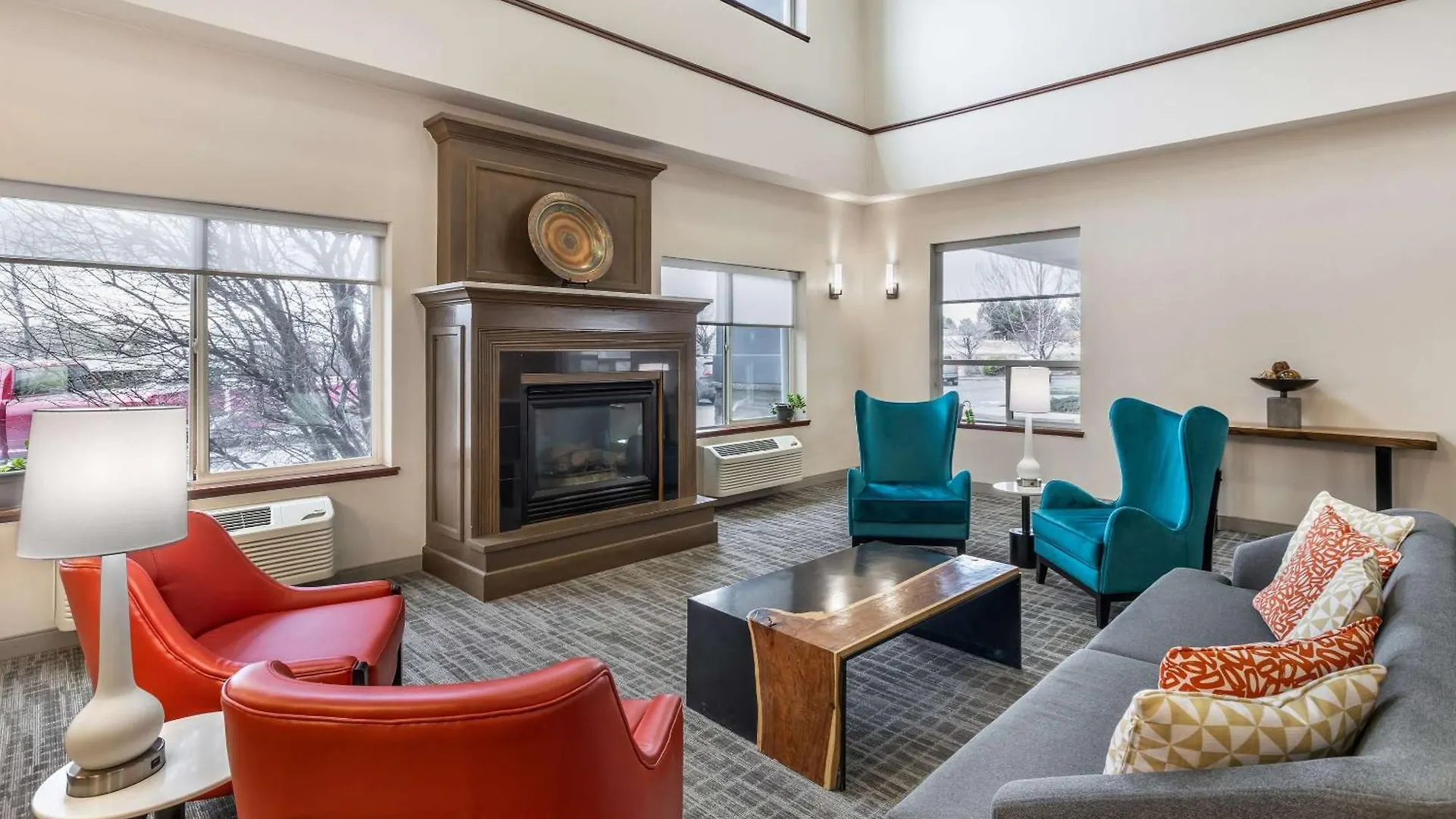
Comfort Suites properties across the Pacific Northwest deliver a consistent suite-based experience - spacious rooms with microwaves, sofas, and free breakfast - at price points that undercut most downtown hotels in the region. Whether you're passing through Redmond's high desert, exploring Wenatchee's orchard valleys, moving along I-5 near Burlington, or using Bozeman as a gateway to Yellowstone, each location is strategically positioned near airports, highways, or national parks, making them practical anchors for road trips and regional exploration across the Pacific Northwest.
What It's Like Staying in the Pacific Northwest
The Pacific Northwest spans one of the most geographically diverse regions in the United States - from the volcanic peaks of Central Oregon and the apple orchards of Eastern Washington to the ferry routes of the Salish Sea and the gateway towns leading into Yellowstone country in Montana. Travel here is car-dependent outside of major urban centers like Seattle, which means where you base yourself matters enormously for daily logistics. Crowds concentrate heavily in summer, particularly July through September, when national park visits, wine trails, and coastal drives peak simultaneously.
Visitors who benefit most from this region are outdoor-focused travelers, road trippers, and families covering long distances between natural landmarks. Urban-focused travelers expecting walkable city infrastructure outside of Portland or Seattle will find most Pacific Northwest stays require a vehicle for nearly every activity.
Pros:
- Exceptional access to national parks, ski areas, and river corridors within short drives of most mid-sized towns
- Free parking is standard at most hotels outside downtown Seattle and Portland, saving around $40 per night compared to urban alternatives
- Lower accommodation costs in corridor towns like Burlington, Redmond, and Wenatchee versus comparable stays in major cities
Cons:
- Most attractions require a car - public transit between towns is limited or nonexistent in rural corridors
- Summer booking windows close fast; popular areas near Yellowstone and Cascade ski towns fill up weeks in advance
- Weather variability is high - rain in Western Washington and snow passes in Montana can disrupt itineraries through spring
Why Choose Comfort Suites in the Pacific Northwest
Comfort Suites properties in this region are built for the traveler covering ground - suites include sofas, microwaves, and refrigerators as standard, which makes multi-night stays or family road trips significantly more manageable than standard hotel rooms. Free hot breakfast is included at most locations, a real cost advantage when you're spending several nights across multiple Pacific Northwest stops. Rates at these properties typically run around 25% below comparable branded hotels in the same corridors, without sacrificing suite square footage.
The trade-off is atmosphere: Comfort Suites properties are positioned near airports and interstate exchanges rather than town centers, so walkability to restaurants and local shops is limited. For travelers prioritizing space, savings, and logistical convenience over boutique character, this brand consistently delivers across the Pacific Northwest.
Pros:
- All-suite format with sofas, microwaves, and refrigerators - practical for families and multi-night road trip stays
- Free breakfast and free parking included across all locations, reducing daily trip costs meaningfully
- Indoor heated pools and hot tubs available at every Pacific Northwest Comfort Suites location reviewed here
Cons:
- Highway and airport-adjacent positioning means guests must drive to reach most restaurants, shops, and attractions
- Design and décor are functional rather than distinctive - no local or regional character in the interiors
- Business center and meeting room capacity is limited for larger corporate groups
Practical Booking & Area Strategy
Across the Pacific Northwest, the four Comfort Suites locations in this guide serve distinct travel corridors: Redmond (Oregon) works best as a base for Central Oregon's volcanic landscape and high desert trails; Wenatchee anchors Eastern Washington wine country and the Cascades; Burlington sits along I-5 and offers easy access to Anacortes ferry terminals for San Juan Islands exploration; and Bozeman serves as the primary gateway town for Yellowstone National Park and Big Sky ski terrain. Book at least 6 weeks ahead for summer stays in Bozeman and Wenatchee, where demand from national park visitors and outdoor recreation travelers pushes occupancy to near capacity from late June onward. Burlington's position near I-5 and Anacortes Airport makes it the most logistically flexible of the four - within a 45-minute drive of both Bellingham and the ferry terminals to the San Juan Islands. For Central Oregon visits from Redmond, Hollinshead Park, Smith Rock State Park, and the Deschutes River trail system are all within practical reach, making this location a strong multi-day base rather than a one-night stop.
Best Value Stays
These properties deliver the strongest value proposition relative to their location - airport or highway proximity, free parking, and suite-standard rooms at rates that make multi-night stays financially efficient.
-
1. City Express By Marriott Redmond Bend Airport
Show on map


 Check-infrom 16:00 until 23:59Check-outuntil 11:00
Just a few rooms left at the best rate!
fromUS$ 119
-
2. Comfort Suites Burlington Near I-5
Show on map


 Check-infrom 15:00 until 23:59Check-outuntil 11:00
Just a few rooms left at the best rate!
fromUS$ 133
Best Premium Picks
These properties offer enhanced amenity sets or location advantages that justify their positioning - particularly for travelers using them as multi-day bases near major regional attractions like Yellowstone or the Eastern Cascades wine trail.
-
3. Comfort Suites Wenatchee Leavenworth
Show on map


 Check-infrom 15:00 until 23:59Check-outuntil 11:00
Hurry – almost gone at this price!
fromUS$ 128
-
4. Comfort Suites Airport-University
Show on map


 Check-infrom 15:00 until 23:59Check-outuntil 12:00
Rooms filling fast – secure the best rate!
fromUS$ 126
Smart Travel & Timing Advice for the Pacific Northwest
Summer - specifically July through early September - is the highest-demand window across all four locations. Bozeman and Wenatchee see the sharpest price increases, with rates climbing around 35% above shoulder-season averages as Yellowstone and Cascades outdoor travel peaks. Burlington remains slightly more stable due to its I-5 corridor positioning, which spreads demand across year-round business travel. For budget-conscious travelers, late September through October offers the best value window: crowds thin after Labor Day, fall foliage along the Columbia River and Wenatchee orchards adds seasonal scenery, and rates drop noticeably. Minimum stays of 2 nights make the most logistical sense at each property - driving distances between major Pacific Northwest attractions typically require full days, making single-night stays inefficient. For Yellowstone-adjacent stays in Bozeman, booking 8 or more weeks ahead during summer is not cautious - it is necessary. Early booking also secures better room selection, including the river-view and balcony units at Redmond that sell out faster than standard rooms at the same property.


