The United States coastline spans over 19,000 miles, stretching from the rocky shores of Maine and the Pacific Northwest to the warm Atlantic beaches of the Southeast and the Gulf Coast. Whether you're after a beachfront aparthotel with a full kitchen in Myrtle Beach or a lakeside waterfront retreat in Washington State, beach hotels in the U.S. vary dramatically in price, atmosphere, and what they actually deliver at check-in. This guide cuts through the noise to help you compare the most relevant options across multiple states, so you can book with confidence.
What It's Like Staying at Beach Hotels in the United States
The U.S. offers an unusually wide range of coastal and waterfront experiences - from the cold-water coves of Belfast, Maine to the sun-soaked Atlantic shores of Myrtle Beach, South Carolina. Crowd patterns vary sharply by region: East Coast beach destinations like North Myrtle Beach can see hotel occupancy surge by around 80% in July and August, while Pacific Northwest lakefront stays near Chelan, Washington tend to draw more spread-out seasonal demand. Travelers who want true oceanfront access with walkable dining and entertainment tend to benefit most from beach hotel stays in the U.S., while those who prioritize seclusion may find mid-summer coastal towns overly congested.
Beachfront properties in the U.S. frequently command premium rates, but many offer apartment-style units with full kitchens that reduce daily food costs significantly - a real logistical advantage for stays of more than three nights.
Pros:
Coastal destinations in the U.S. span four distinct climate zones, giving travelers genuine choice between cold-water, temperate, and warm-water beach experiences year-round
Many U.S. beach hotels offer free private parking - a practical benefit given that most coastal areas require a car to access restaurants, grocery stores, and attractions
Beachfront aparthotels with full kitchens are widely available, reducing the total trip cost for families or longer stays
Cons:
Peak-season beach hotel rates on the East Coast can spike sharply, with limited last-minute availability in towns like Kennebunkport or Myrtle Beach
Many beachfront properties in smaller coastal towns have seasonal pools and limited on-site dining outside of summer months
Coastal traffic and parking congestion during July and August can significantly affect arrival and departure logistics
Why Choose Beach Hotels in the United States
Beach hotels in the U.S. span a uniquely broad spectrum - from basic 3-star beachfront inns with shared facilities to spacious aparthotel-style properties with private beach areas, hot tubs, and golf access. What sets U.S. beach properties apart from their European counterparts is the frequent availability of large, multi-bedroom units - some offering up to three bedrooms - which makes them a viable option for group travel without the overhead of renting a private home. Prices at 3-star beachfront hotels in secondary coastal markets like Niantic, Connecticut or Poulsbo, Washington often run around 40% lower than comparable oceanfront properties in peak destinations like Miami Beach or Malibu, making regional coastal stays a practical alternative.
The trade-off is consistency: amenities like indoor pools, fitness centers, and breakfast availability differ significantly between properties and locations. Beachfront branding in the U.S. doesn't always guarantee sand-to-door access - some properties use the term for waterfront lake or bay views, so verifying the actual beach type before booking is essential.
Pros:
Multi-bedroom beachfront units with full kitchens are available at several U.S. coastal properties, reducing per-person costs on longer stays
Free private parking is included at most beach hotels outside major metro coastal areas - a significant saving in destinations where daily parking can exceed $30
Several U.S. beach hotels include breakfast, an indoor or outdoor pool, and fitness facilities within the base rate
Cons:
Outdoor pools at beach hotels are often seasonal, closed from October through April in most non-Southern states
"Beachfront" can refer to lake, bay, or ocean frontage - the experience differs considerably depending on which type is booked
On-site dining at smaller coastal properties is limited, making a rental car essential for accessing restaurants in most beach towns
Practical Booking & Area Strategy for Beach Hotels in the U.S.
For East Coast beach stays, Niantic, Connecticut is a frequently overlooked option - positioned within 24 km of Mystic Seaport and offering easy Amtrak access from New York and Boston, it delivers coastal convenience without the premium pricing of Cape Cod or the Outer Banks. In the Pacific Northwest, Lake Chelan in Washington State functions as a genuine inland beach destination, with water sports, hiking, and a walkable downtown, all accessible within 1 km of waterfront hotels. Maine's Belfast and Kennebunk are best booked at least 8 weeks in advance for summer stays, as both towns have limited hotel inventory and fill quickly once school holidays begin. For Southeast beach access with the broadest range of hotel options and price points, Myrtle Beach, South Carolina remains one of the most flexible markets, with properties ranging from basic beachfront motels to large multi-bedroom resort-style aparthotels.
Transport connections matter: most U.S. beach towns are car-dependent, and properties like Hampton Inn Charlotte/Matthews or Holiday Inn Express Warrenton serve as practical highway corridor stops rather than primary beach bases. Coastal towns like Poulsbo, Washington require a ferry connection from Seattle, adding travel time but also reducing overall visitor density compared to drive-in beach destinations. Top regional attractions near featured properties include Mystic Seaport (Connecticut), Slidewaters water park (Chelan), Alabama Theater (Myrtle Beach), and Moose Point State Park (Belfast, Maine).
Beachfront & Waterfront Stays: Pacific Northwest and New England
These properties deliver direct waterfront access in two of the most scenically distinct coastal regions in the country - Washington State's Kitsap Peninsula and inland lake country, alongside Maine's rocky Penobscot Bay coastline.
-
1. Hotel Scandi Poulsbo
Show on map


 Check-infrom 16:00 until 23:00Check-outuntil 11:00
Hurry – almost gone at this price!
fromUS$ 155
-
2. Grandview Lake Chelan- Waterfront View, Pool, Hot Tub, Golf, 1 Min To Downtown
Show on map


 Check-infrom 16:00 until 22:00Check-outfrom 10:00 until 11:00
Hurry – almost gone at this price!
fromUS$ 401
-
3. Belfast Harbor Inn
Show on map


 Check-infrom 15:00 until 23:59Check-outuntil 11:00
Rooms filling fast – secure the best rate!
fromUS$ 179
-
4. Lodge At Kennebunk
Show on map


 Check-infrom 14:00 until 19:00Check-outuntil 11:00
Rooms filling fast – secure the best rate!
fromUS$ 170
-
5. Mission Springs Resort
Show on map


 Check-infrom 15:00 until 21:30Check-outuntil 10:00
Just a few rooms left at the best rate!
fromUS$ 215
Atlantic Coast & Southeast Beach Hotels
This group covers the busiest and most accessible U.S. coastal markets - from Connecticut's shoreline near Mystic to the beachfront resort strip of North Myrtle Beach - where hotel variety is highest and booking competition peaks hardest in summer.
-
6. Sleep Inn & Suites Niantic North
Show on map


 Check-infrom 16:00 until 23:59Check-outuntil 11:00
Just a few rooms left at the best rate!
fromUS$ 140
-
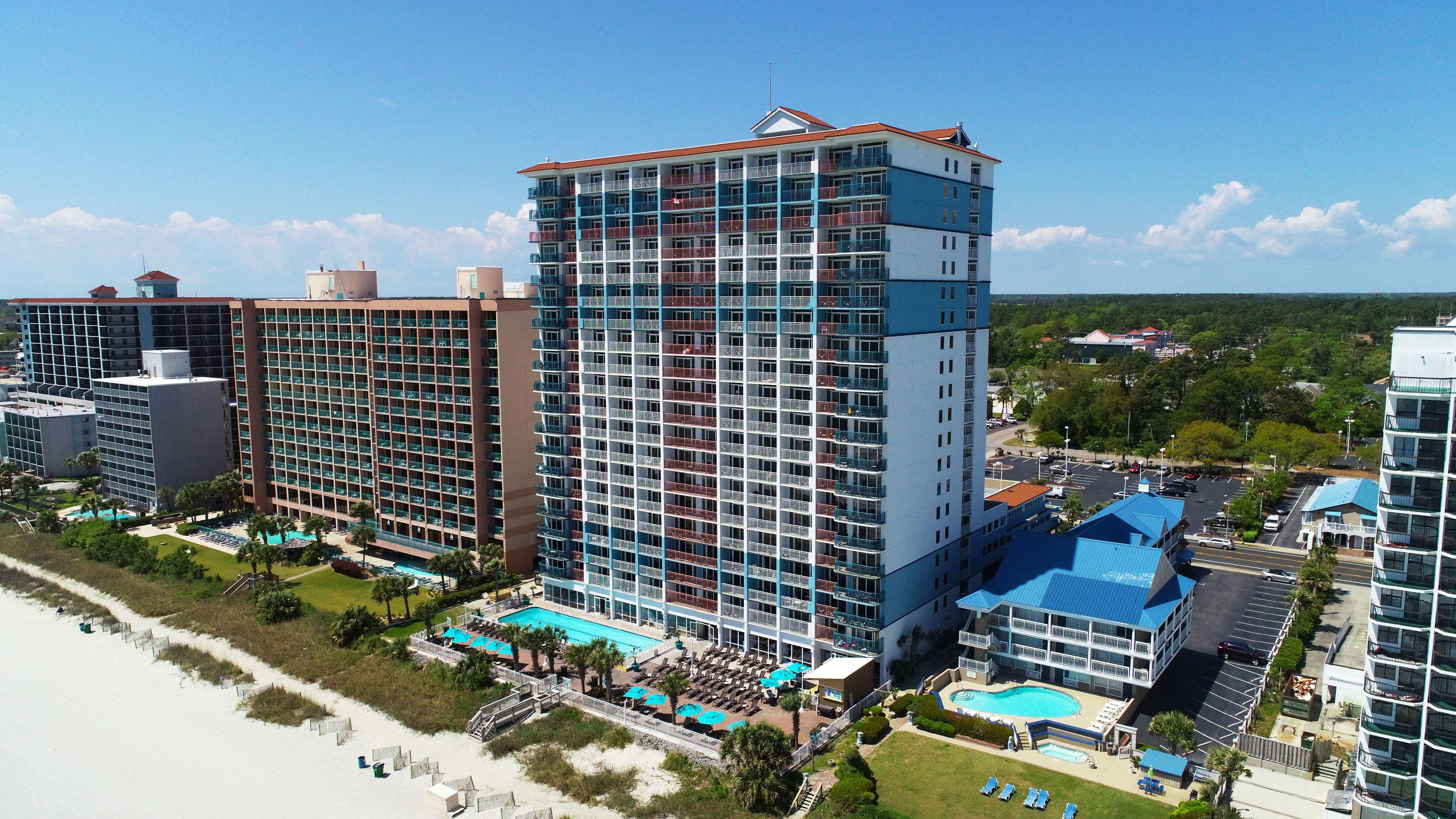
7. Ocean Towers Resort
Show on map


 Check-infrom 16:00 until 17:00Check-outfrom 08:00 until 10:00
Best price guarantee
fromUS$ 190
-
8. The Waterfront Inn
Show on map


 Check-infrom 16:00 until 23:59Check-outuntil 11:00
Just a few rooms left at the best rate!
fromUS$ 103
Inland and Highway Corridor Hotels with Coastal or Waterfront Context
These properties serve travelers moving between coastal destinations, needing a reliable overnight stop with consistent amenities, or staying near university medical centers, conference facilities, or regional attractions rather than a primary beach destination.
-
9. Hampton Inn Charlotte / Matthews
Show on map


 Check-infrom 15:00 until 23:30Check-outfrom 04:00 until 11:00
Hurry – almost gone at this price!
fromUS$ 118
-
10. Holiday Inn Express Hotel & Suites Warrenton By Ihg
Show on map


 Check-infrom 15:00 until 23:59Check-outuntil 11:00
Best price guarantee
fromUS$ 148
-
11. Comfort Inn Warren I-69
Show on map


 Check-infrom 15:00 until 23:59Check-outuntil 11:00
Best price guarantee
fromUS$ 94
-
12. La Quinta Inn & Suites by Wyndham Sulphur Springs
Show on map


 Check-infrom 15:00 until 23:59Check-outuntil 11:00
Rooms filling fast – secure the best rate!
fromUS$ 75
-
13. Best Western Mount Pleasant Inn
Show on map


 Check-infrom 15:00 until 23:59Check-outuntil 11:00
Best price guarantee
fromUS$ 85
-
14. Village Inn Clemmons-Winston Salem, Trademark By Wyndham
Show on map


 Check-infrom 15:00 until 23:59Check-outuntil 11:00
Best price guarantee
fromUS$ 82
-
15. The Lodge At Duke Medical Center
Show on map


 Check-infrom 15:00 until 23:59Check-outuntil 11:00
Best price guarantee
fromUS$ 100
Smart Timing: When to Book Beach Hotels in the United States
Peak demand for U.S. beach hotels is almost entirely concentrated between late June and late August, when school holidays push occupancy at coastal properties to near capacity across New England, the Carolinas, and the Pacific Northwest. Booking at least 8 weeks ahead for Maine properties like Belfast Harbor Inn or Lodge at Kennebunk is essential - these towns have limited hotel inventory and rooms at waterfront properties sell out well before July 4th. For Myrtle Beach, Ocean Towers Resort attracts families needing multi-bedroom units, and three-bedroom configurations go first; January through March offers the sharpest price drops at South Carolina beach properties, sometimes falling around 45% below peak summer rates.
Shoulder season - specifically May and September - offers the most practical balance at most U.S. coastal hotels: outdoor pools are open, crowds are thinner, and restaurant availability is less competitive than mid-July. Lake Chelan's waterfront properties see a secondary demand spike in late September during the harvest and wine festival season, so autumn visits to Grandview Lake Chelan should be booked at least a month in advance. For highway corridor properties in Indiana, Iowa, or Virginia, last-minute booking typically works fine outside of regional events or holiday weekends, where rates can jump sharply for a single night before returning to baseline.