The Dallas-Fort Worth Metropolitan Area spans over 9,000 square miles, making your choice of base far more consequential than in a compact city. Whether you're attending an event at AT&T Stadium, catching a concert at Dickies Arena, or connecting through Dallas-Fort Worth International Airport, the right centrally located hotel can save you hours of driving across the Metroplex. This guide breaks down four strategically positioned hotels across the DFW area to help you decide which location fits your specific itinerary.
What It's Like Staying in the Dallas-Fort Worth Metropolitan Area
The DFW Metroplex is a car-dependent region where distances between landmarks routinely exceed 20 km, so your hotel's position relative to your planned stops matters enormously. Unlike walkable urban cores, staying centrally here means being positioned near a major highway interchange rather than within walking distance of multiple attractions. DFW International Airport alone serves around 75 million passengers annually, which means airport-adjacent hotels fill fast during peak travel weeks, and proximity to I-35W or SH-183 genuinely changes your daily commute time between cities like Fort Worth, Arlington, and North Richland Hills.
Business travelers heading to the Fort Worth Convention Center, sports fans visiting AT&T Stadium, and families splitting time between Fort Worth's Cultural District and Arlington's entertainment corridor all benefit from choosing a hotel that cuts drive times. Visitors who prefer walkable neighborhoods or dense urban experiences may find the Metroplex's sprawl frustrating compared to downtown Dallas's Uptown district.
Pros:
- Major venues like AT&T Stadium, Dickies Arena, and Texas Motor Speedway are spread across the metro, making a centrally placed hotel genuinely time-saving
- Free parking is standard at most mid-range and budget hotels across the Metroplex, eliminating a cost that drains budgets in denser cities
- DFW International Airport's central position between Dallas and Fort Worth means airport hotels offer fast access to both city cores
Cons:
- Without a car or rideshare, almost no hotel in the Metroplex offers walkable access to more than one or two attractions
- Highway congestion on I-30 and I-35W during peak hours can turn a 20 km drive into a 45-minute journey
- Hotel rates spike sharply during Cowboys games, NASCAR events at Texas Motor Speedway, and major conventions in Fort Worth
Why Choose Central Hotels in Dallas-Fort Worth Metropolitan Area
Central hotels in the DFW Metroplex are defined less by geography and more by highway access - properties positioned near key interchanges on I-820, SH-183, or US-287 give guests realistic reach to both Dallas and Fort Worth without committing to either city's downtown parking costs. Budget and mid-range central options here typically run under $100 per night, a significant contrast to comparable rooms in downtown Dallas or Fort Worth's Sundance Square, where rates can climb sharply during event weekends. Room sizes at highway-adjacent motels and inns across the metro tend to be more generous than downtown equivalents, though trade-offs include more road noise and a heavier dependence on your own vehicle.
Travelers attending multi-day events at different venues - say, a conference at Fort Worth Convention Center followed by a game at Globe Life Park in Arlington - get the clearest advantage from a centrally located property. Boutique inn options in mid-cities like Arlington offer a meaningful upgrade in atmosphere without the downtown price premium, particularly for leisure travelers who value on-site dining and personalized service over chain-hotel consistency.
Pros:
- Highway-adjacent positioning puts most major DFW venues within a 30-minute drive, reducing the need to relocate between stays
- Free parking is nearly universal at central Metroplex hotels, saving travelers the $20-$40 nightly fees common in downtown garages
- Mid-cities like Arlington and North Richland Hills offer a genuine mix of budget and boutique options unavailable in the core downtowns
Cons:
- Most central hotels require a car for every errand, meal, or attraction visit - public transit connectivity is minimal outside of downtown Dallas
- Properties near I-820 or SH-183 can experience significant road noise, especially in standard-tier rooms
- Dining options within walking distance of highway-corridor hotels are typically limited to chain restaurants or fast food
Practical Booking & Area Strategy for DFW Central Hotels
Arlington sits at the geographic heart of the Metroplex and is the strongest base for travelers splitting time between Fort Worth and Dallas, with AT&T Stadium, Globe Life Park, and Six Flags Over Texas all within 7 km of the city center. North Richland Hills is a smart pick for Fort Worth-focused trips, sitting roughly 19 km from the Fort Worth Convention Center while offering lower nightly rates than Fort Worth's downtown properties. For travelers arriving via DFW International Airport, hotels in North Richland Hills and Arlington both sit within 25 km of the terminals, making them practical layover or early-arrival bases without paying the airport hotel premium.
Book at least 6 weeks ahead for Cowboys game weekends and NASCAR race weeks at Texas Motor Speedway, when available inventory across the entire Metroplex drops sharply and prices surge. If your trip is leisure-focused, the Cultural District in Fort Worth - home to the Kimbell Art Museum and the Modern Art Museum - is best accessed from Fort Worth-side hotels, while Arlington properties are the logical choice for Six Flags visits or Rangers and Cowboys games. Rhome and Joshua are outlier locations, suited only to travelers with highly specific itineraries like Texas Motor Speedway attendance or visits to communities south of Fort Worth, as their distances from central venues are substantial.
Best Value Stays
These three properties offer the most accessible price points across the Metroplex, each positioned to serve different geographic priorities - from the northern approach near Texas Motor Speedway to highway-accessible corridors in North Richland Hills and the southern reaches of the metro.
-
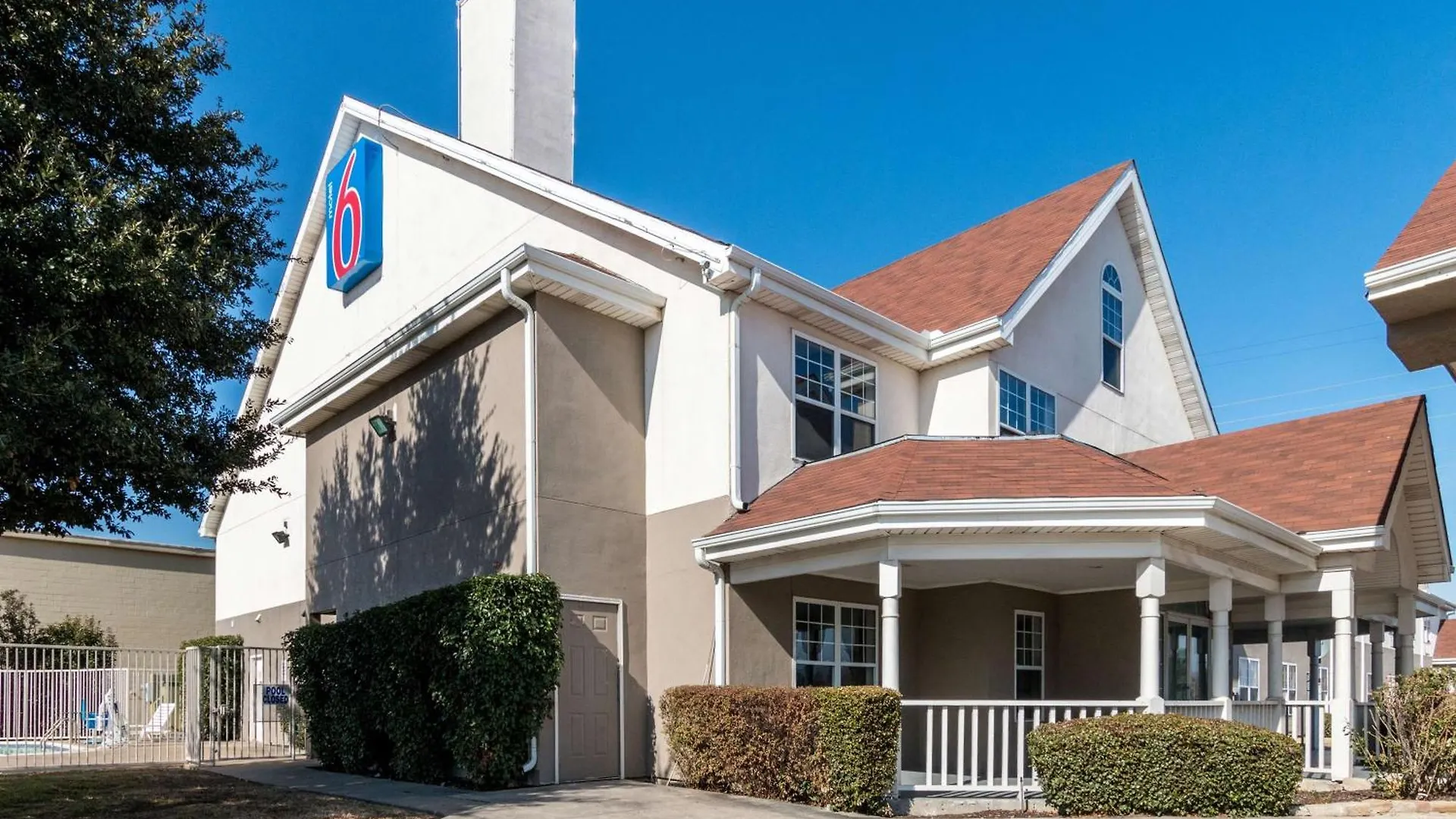
1. Motel 6-North Richland Hills, Tx - Rufe Snow
Show on map


 Check-infrom 15:00 until 23:59Check-outuntil 11:00
Just a few rooms left at the best rate!
fromUS$ 49
-
2. Motel 6-Rhome, Tx
Show on map


 Check-infrom 15:00 until 23:59Check-outuntil 11:00
Just a few rooms left at the best rate!
fromUS$ 59
-
3. Motel 6-Joshua, Tx
Show on map


 Check-infrom 15:00 until 23:59Check-outuntil 11:00
Hurry – almost gone at this price!
fromUS$ 54
Best Premium Stay
For travelers who want on-site dining, spa access, and a boutique atmosphere without paying downtown Dallas prices, Arlington's mid-city position delivers a noticeably upgraded experience within easy reach of the Metroplex's biggest entertainment venues.
-
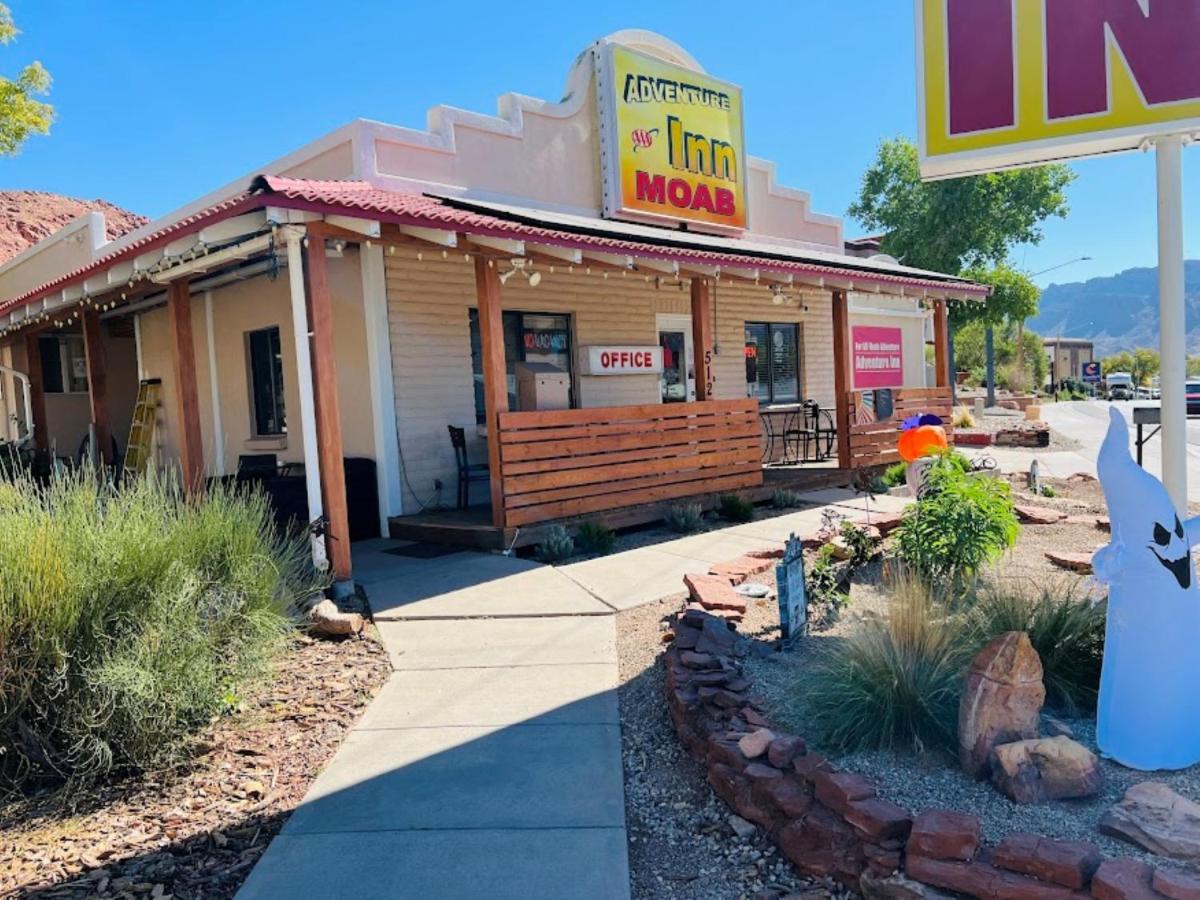
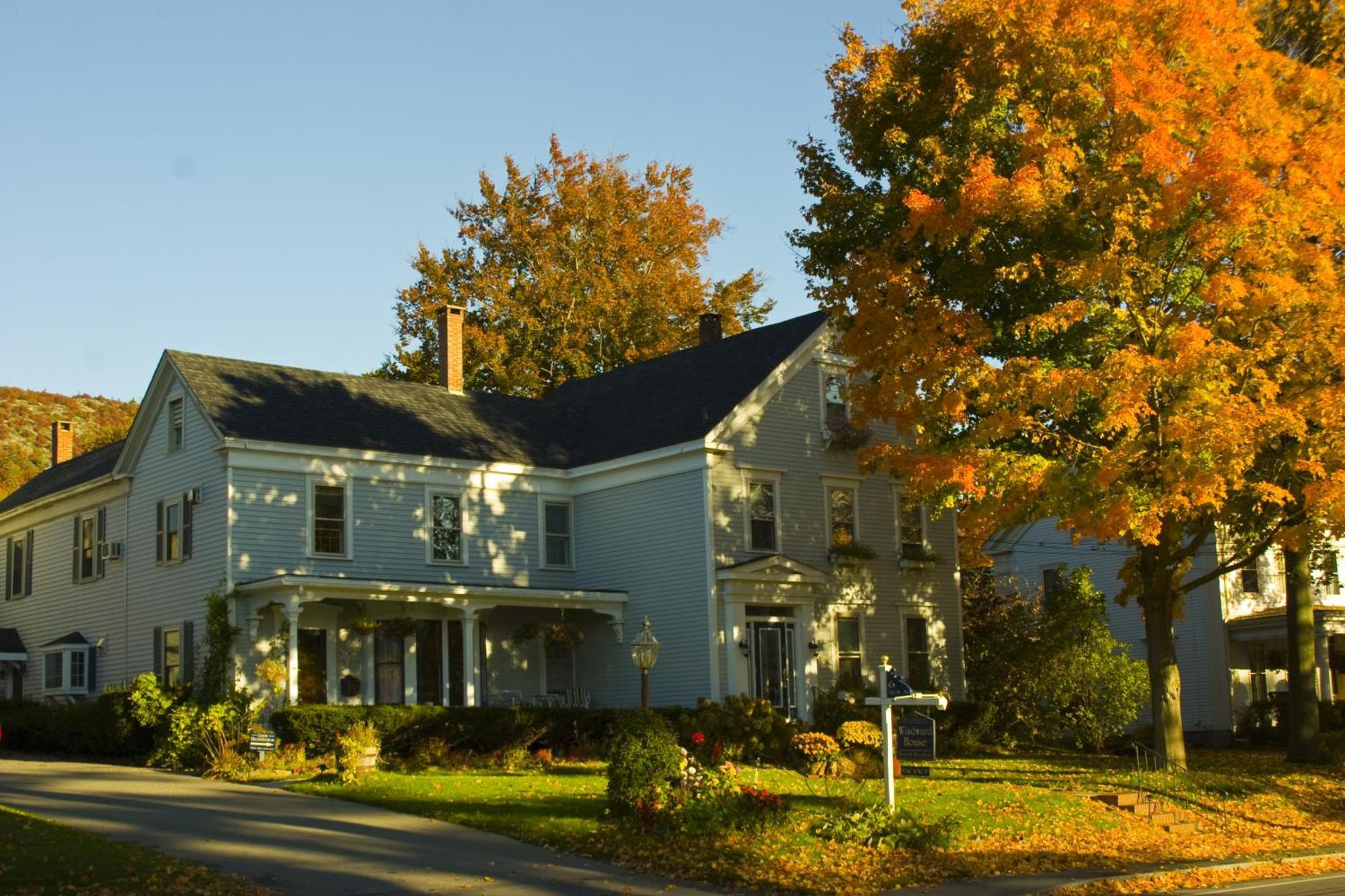
4. The Sanford House Inn & Spa
Show on map


 Check-infrom 15:00 until 20:00Check-outuntil 11:00
Rooms filling fast – secure the best rate!
fromUS$ 194
Smart Travel & Timing Advice for DFW Central Hotels
The DFW Metroplex has two clear demand peaks: the fall NFL season running from September through January, when Cowboys home games at AT&T Stadium push Arlington hotel rates sharply upward, and the spring NASCAR events at Texas Motor Speedway, which saturate the northern metro corridor around Rhome and Alliance. Outside of those windows, January through March is the softest pricing period across the region, with occupancy dropping and rates at even well-positioned properties becoming genuinely negotiable. Book at least 4 weeks in advance for any weekend overlapping with a major stadium event, as the Metroplex's hotel inventory, while large in aggregate, concentrates demand heavily around Arlington and Fort Worth during simultaneous events.
For leisure trips without event anchors, October and November offer the best weather for exploring Fort Worth's Stockyards, the Kimbell Art Museum, and Arlington's entertainment strip, with temperatures cooling to a workable range after the brutal Texas summer. A stay of 3 nights gives enough time to cover both Fort Worth's cultural attractions and Arlington's sports venues without feeling rushed. Last-minute bookings can yield savings in the southern-metro properties like Joshua, where demand is consistently softer, but this strategy is unreliable near Arlington or North Richland Hills during any weekend with a major event scheduled.