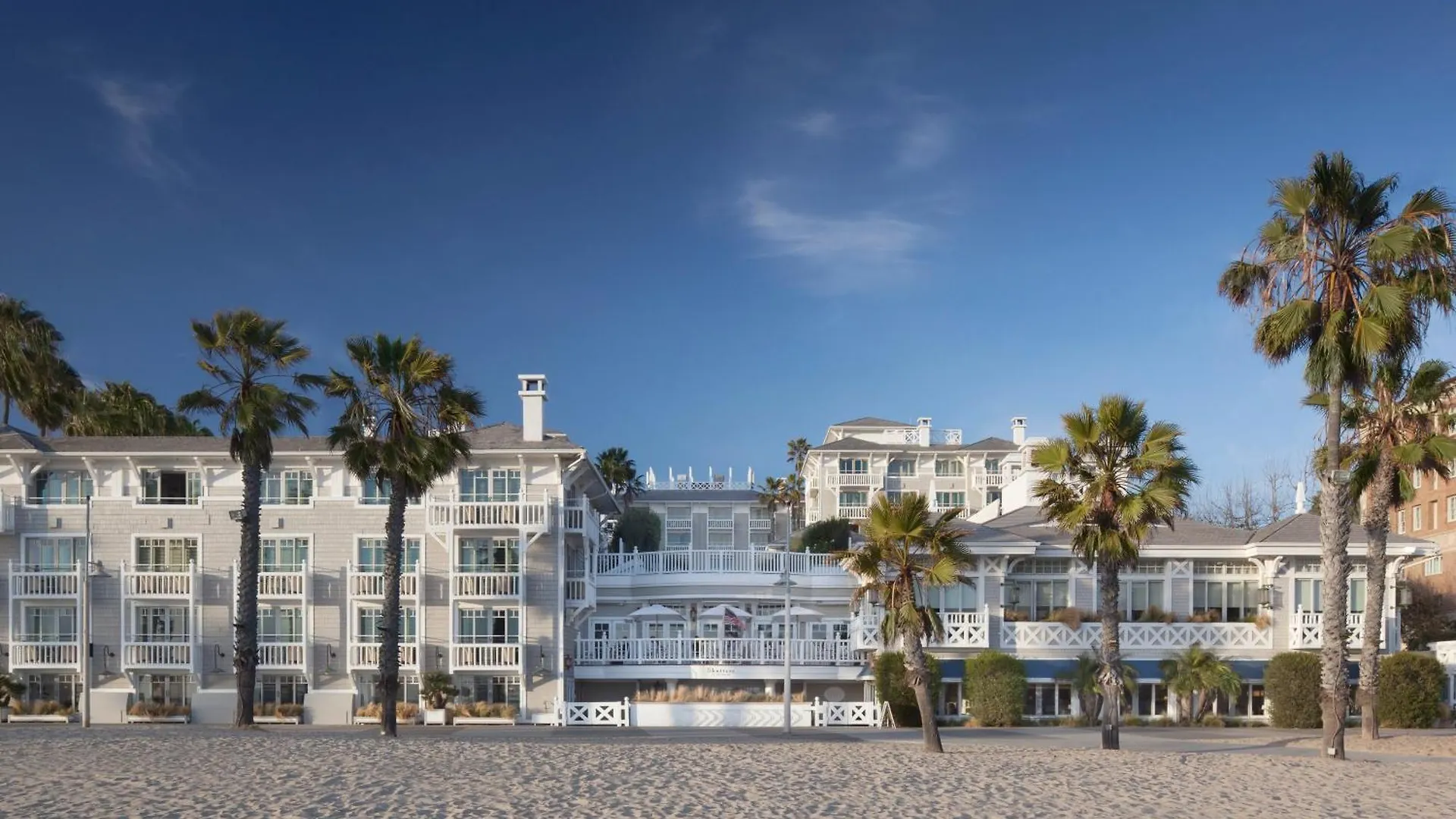
Santa Monica sits at the western edge of Los Angeles where the Pacific Coast Highway meets the city grid - and where hotel design ranges from mid-century beach vernacular to sleek coastal modernism. This guide breaks down 8 design-forward hotels across the district, from beachfront landmarks on Ocean Avenue to inland properties near the Metro Expo Line, so you can match your stay to your actual priorities: proximity to the water, room quality, value, or all three.
What It's Like Staying in Santa Monica
Santa Monica is a self-contained coastal city within Los Angeles County - walkable by LA standards, but not in the way European cities are. The Main Street and Ocean Avenue corridor puts restaurants, the Pier, and the beach within 10-15 minutes on foot, while staying more than 6 blocks inland means you'll rely on the Big Blue Bus or rideshare for most beach access. The 3rd Street Promenade draws consistent foot traffic until late evening, which keeps the central zone lively but also loud - a real consideration if you're sensitive to street noise.
Pros:
- Direct beach access from Ocean Avenue hotels eliminates any transport planning for mornings on the sand
- The Metro Expo Line connects Santa Monica to Downtown LA and Culver City without navigating LA traffic
- The compact grid layout means top restaurants, the Pier, and Palisades Park are all reachable without a car if you stay centrally
Cons:
- Parking is scarce and expensive - valet at beachfront hotels can add around $50 per night to your bill
- Weekend crowds around the Pier and Promenade make the central blocks genuinely congested from Friday evening through Sunday
- Hollywood and central LA attractions require around 40 minutes by car during peak hours, making day trips time-consuming
Why Choose Design Hotels in Santa Monica
Design hotels in Santa Monica trade on the tension between California beach culture and architectural ambition - you get spaces that take cues from the Pacific light, local materiality, and a certain coastal ease that generic chain properties don't replicate. Beachfront design properties here command a significant premium, with rates running around 40% higher than comparable inland options, but that gap buys you a fundamentally different visual and spatial experience: floor-to-ceiling ocean-facing glass, curated room libraries, and outdoor spaces that treat the Pacific as a design feature rather than a backdrop. Inland design-forward options offer better value per square foot and quieter rooms, but the beach walk adds meaningful time to every morning.
Pros:
- Beachfront properties deliver room aesthetics - hardwood floors, Tibetan rugs, spa tubs - that justify the rate for stays focused on the room experience itself
- Eco-certified design hotels like LEED-rated properties offer electric car charging and sustainability credentials without sacrificing style
- Oceanfront dining at design hotels removes the need to leave the property for high-quality food, which is a genuine convenience given Santa Monica restaurant crowds
Cons:
- Premium design rooms near the Pier often face Ocean Avenue street noise, especially in summer - always request a higher floor or rear-facing room
- Smaller boutique properties inland may lack on-site pools, meaning you'll walk to the beach for any water access
- Valet-only parking at several beachfront design hotels adds a fixed daily cost with no self-park alternative
Practical Booking & Area Strategy
For the best positioning in Santa Monica, Ocean Avenue between Pico Boulevard and Colorado Avenue is the tightest cluster of beachfront design hotels - properties here sit directly above the sand with Palisades Park as a buffer from street traffic. The Santa Monica Pier and Pacific Park are within a 5-minute walk south, while the 3rd Street Promenade is a 10-minute walk east. Guests staying further inland near 17th Street gain immediate access to the Metro Expo Line at the 17th Street/Santa Monica College station, which cuts travel time to Culver City and Downtown LA to under 45 minutes without touching a car. Summer weekends - particularly July and August - see occupancy rates spike sharply across the district; booking at least 6 weeks in advance for any beachfront property is non-negotiable during those months. If you're visiting for the farmers' market (Wednesday and Saturday on Arizona Avenue), the Third Street Promenade shopping, or day trips to Getty Center and Venice Beach Boardwalk, a central Santa Monica location eliminates most logistical friction.
Best Premium Design Stays
These beachfront properties deliver the most architecturally considered rooms in Santa Monica, with direct sand access, ocean-facing dining, and room finishes that distinguish them clearly from mid-market competitors.
-
1. Shutters On The Beach
Show on map


 Check-infrom 16:00 until 23:59Check-outuntil 12:00
Just a few rooms left at the best rate!
fromUS$ 464
-
2. Casa Del Mar
Show on map


 Check-infrom 16:00 until 23:59Check-outuntil 12:00
Just a few rooms left at the best rate!
fromUS$ 590
-
3. The Pierside Santa Monica
Show on map


 Check-infrom 16:00 until 23:59Check-outuntil 11:00
Just a few rooms left at the best rate!
fromUS$ 200
-
4. Shore Hotel
Show on map


 Check-infrom 16:00 until 23:59Check-outuntil 11:00
Hurry – almost gone at this price!
fromUS$ 236
Best Value Design Stays
These properties offer design-conscious rooms and strong amenity sets at rates that sit below the beachfront tier - with inland positioning offset by pool access, free breakfast options, and solid transport connections.
-
5. Hampton Inn & Suites Santa Monica
Show on map


 Check-infrom 16:00 until 23:59Check-outuntil 11:00
Hurry – almost gone at this price!
fromUS$ 281
-
6. Courtyard By Marriott Santa Monica
Show on map


 Check-infrom 16:00 until 23:59Check-outuntil 12:00
Hurry – almost gone at this price!
fromUS$ 356
-
7. Gateway Hotel Santa Monica
Show on map


 Check-infrom 15:00 until 23:59Check-outuntil 12:00
Rooms filling fast – secure the best rate!
fromUS$ 169
-
8. Ocean Lodge Santa Monica Beach Hotel
Show on map


 Check-infrom 15:00 until 23:59Check-outuntil 11:00
Rooms filling fast – secure the best rate!
fromUS$ 287
Smart Travel & Timing Advice for Santa Monica
Santa Monica's peak season runs from late June through August, when the combination of school holidays, consistent Pacific weather, and major events like the Santa Monica Classic road race pushes occupancy across the district to near-capacity. Beachfront hotel rates spike by around 35% in July compared to the same rooms in March or November - the shoulder seasons offer the same beach access with meaningfully lower rates and thinner crowds at the Pier and Promenade. May and September deliver near-identical weather to peak summer with significantly less foot traffic and faster booking availability. For a first-time stay, 3 nights is the minimum that gives you a full beach day, a day trip to Getty Center or Venice Beach, and an evening on the Promenade without feeling rushed. Book beachfront properties at least 6 weeks ahead for any summer weekend; inland design hotels typically hold availability 2-3 weeks out even in peak season. Last-minute deals appear most reliably in January and February, when the district is quietest and several hotels discount aggressively to maintain occupancy.